Wildlife of the Month - Demoiselle
Anna Clague Jan 29, 2025
Chromis dispilus
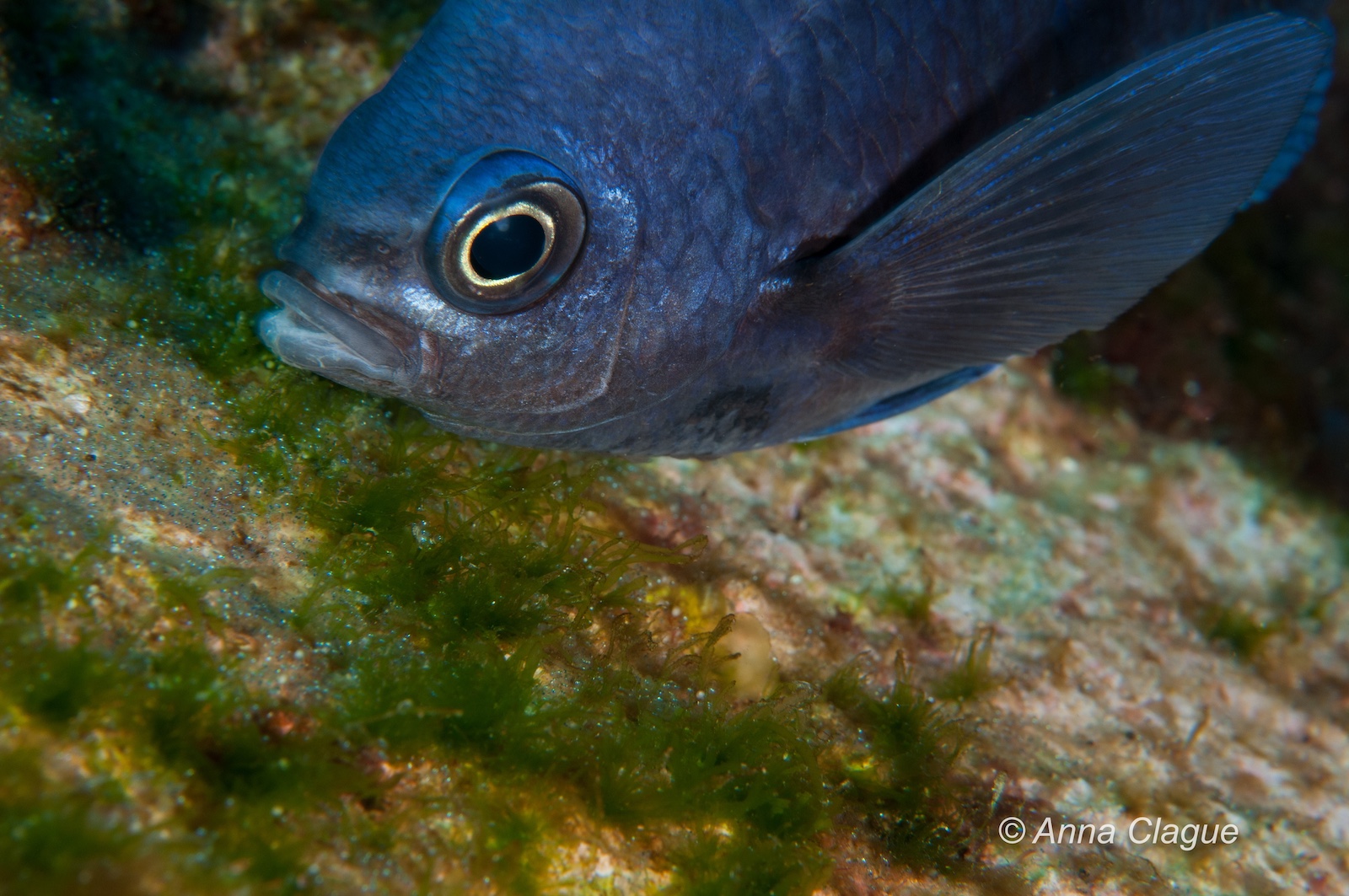
Habitat - mainly in the warmer waters around the North Island to depths of about 60m, off rocky coasts where currents can be found.
Feeding - They have deeply forked tails, which they can open and close like scissors allowing them to manoeuvre as they feed. Demoiselles feed on small zooplankton organisms. Their mouth and lips can extend forward and widen to quickly catch their prey. When not feeding they rest underneath and in amongst seaweeds. They also take a rest when the tide changes, and currents stop running.
Size - length is between 10 - 20cm. Most demoiselles live for 3-4 years.
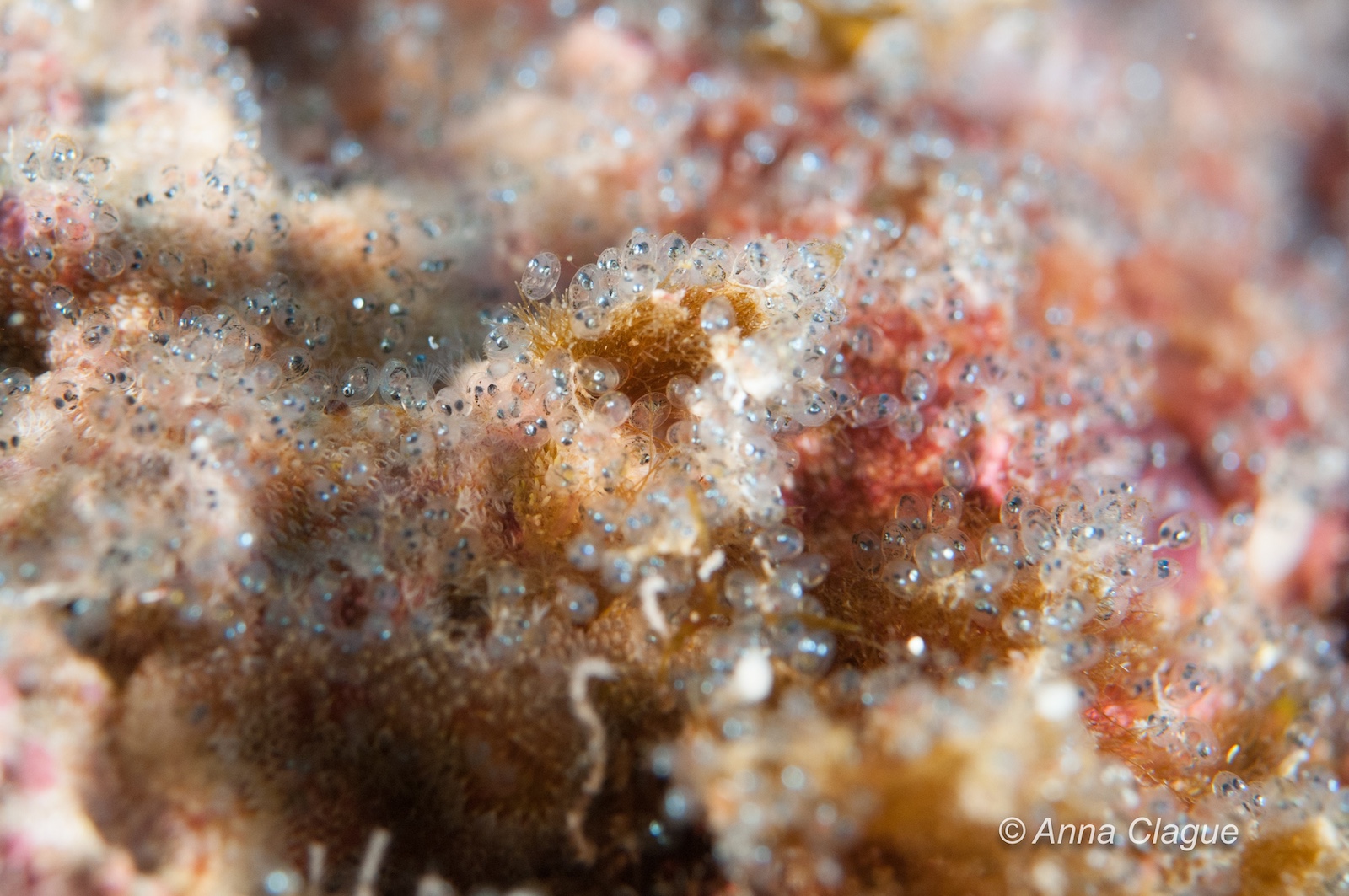
Breeding habits - Males are highly territorial as they defend their nesting area from other males and other species. Spawning occurs between the months of December and March when the males (whose tails are usually whiter) become more blue. The males aggressively defend their fertilised eggs, laid by the female, as well as aerating them and removing any debris. The eggs take about 5.5 days to hatch after which the male leaves to feed then repeats the spawning process several times throughout the breeding season. Each nest will have between 20,000 - 130,000 eggs.
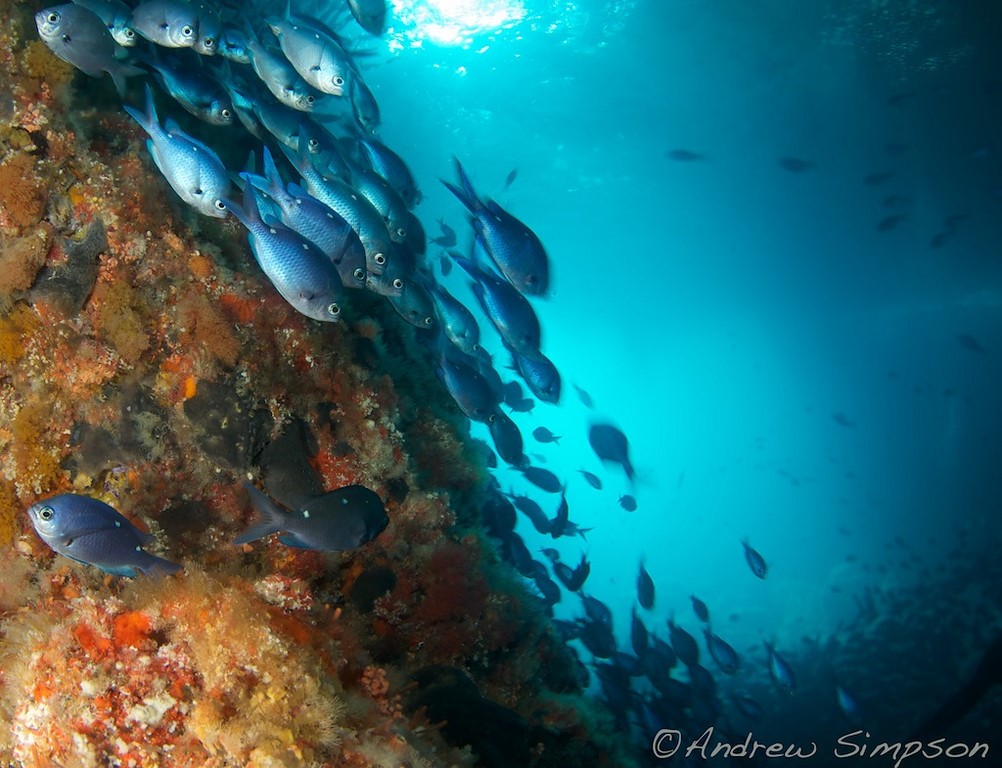
Defence - Dense schools of up to 500 fish provide protection when predators such as kingfish attack.
Description - They are distinguished by the two white spots on either side of the caudal peduncle. They swim only with their strong breast fins, which moves their bodies rapidly up and down and sideways. The change of tide signals demoiselles to migrate, often for kilometres, along the rock face to a more favourable feeding spot or back to shelter. Divers may see endless streams of demoiselles migrating, along these invisible paths.