
Wildlife of the Month - Archidoris Wellingtonensis
Anna Clague Jan 28, 2025
Archidoris Wellingtonensis
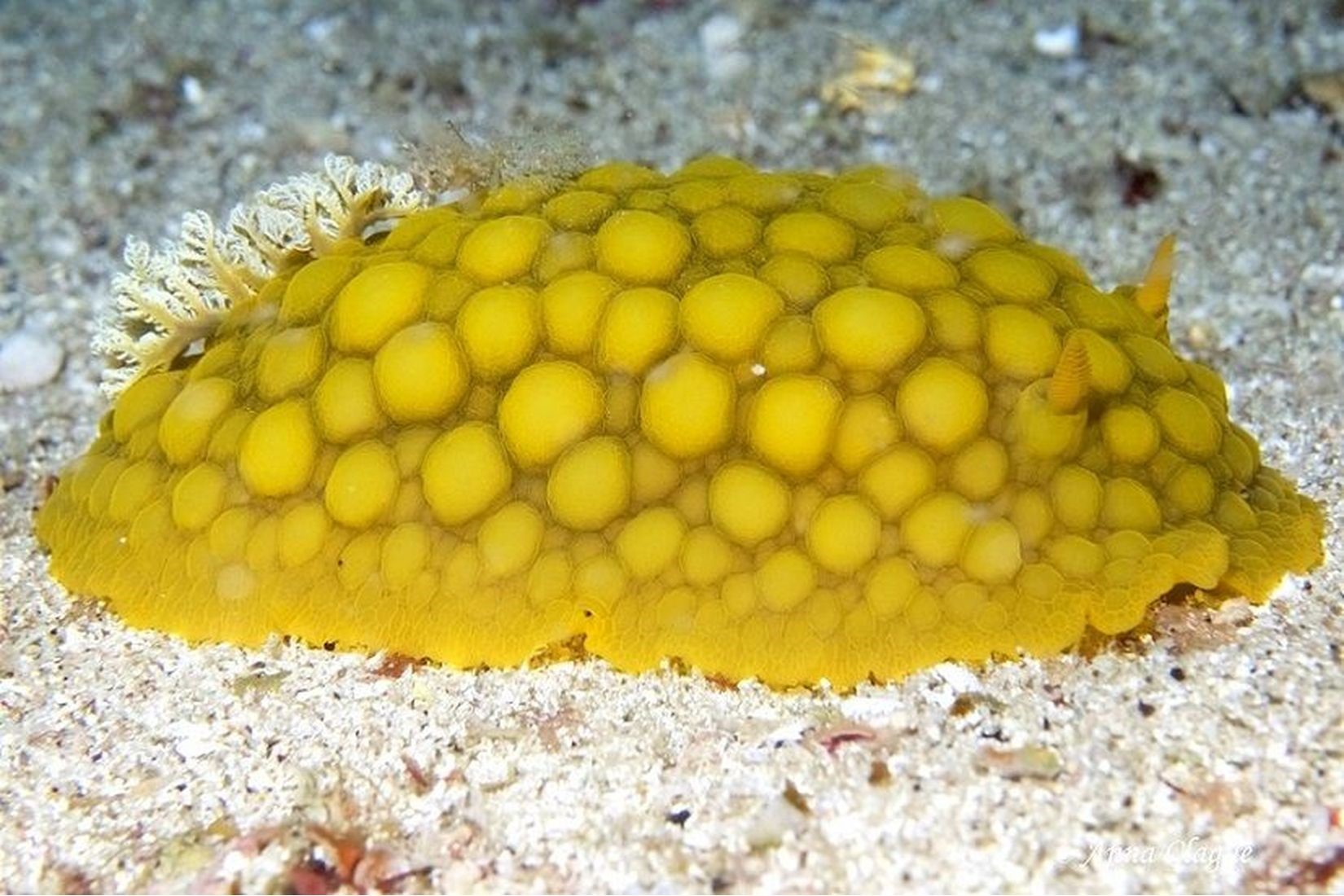
Habitat - Temperate waters. Australia to New Zealand - depths of 0 to 50 m.
Feeding – It feeds on encrusting yellow and orange sponges
Size - The largest dorid (up to 200mm) found in New Zealand waters.
Breeding habits - The egg ribbon is a large beautiful soft orange spiral, 6-8cm in diameter. The egg ribbon is attached to solid areas of the reef. Eggs can hatch in as few as five days and as long as 50 days, and larvae shed the shells they develop inside of their eggs before hatching. Once hatched the larvae are then at the mercy of ocean currents until they settle back onto the seafloor. Nudibranchs are hermaphrodites so they can mate with any other individual they encounter.
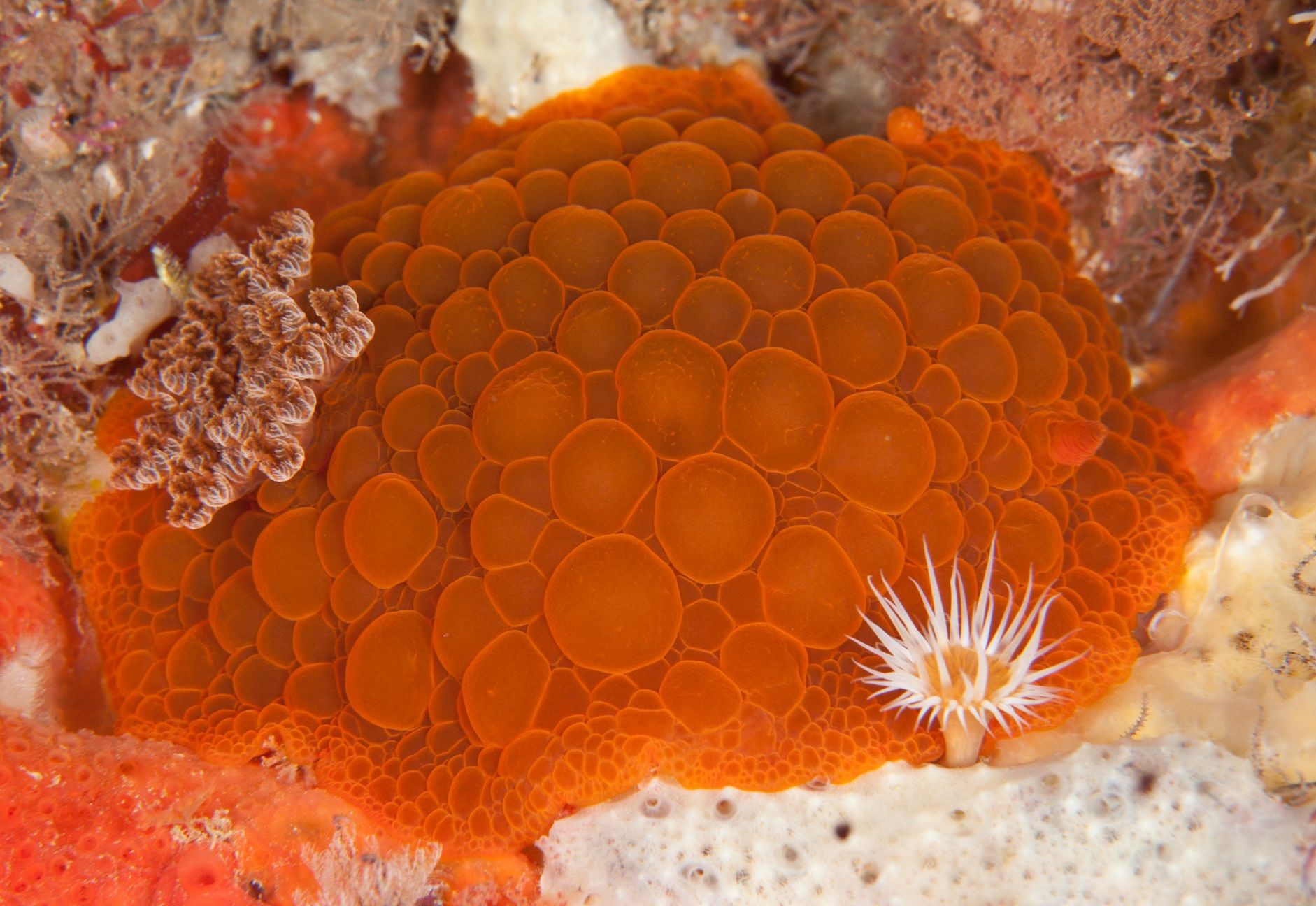
Defense - What look like warts all over their bodies are actually tubercles, blister-like protrusions used for camouflage and deterring predators, giving them a look of a lumpy sponge on a rock. Some species of nudibranchs can adopt poisons from sponges to defend themselves and some can generate their own toxins.
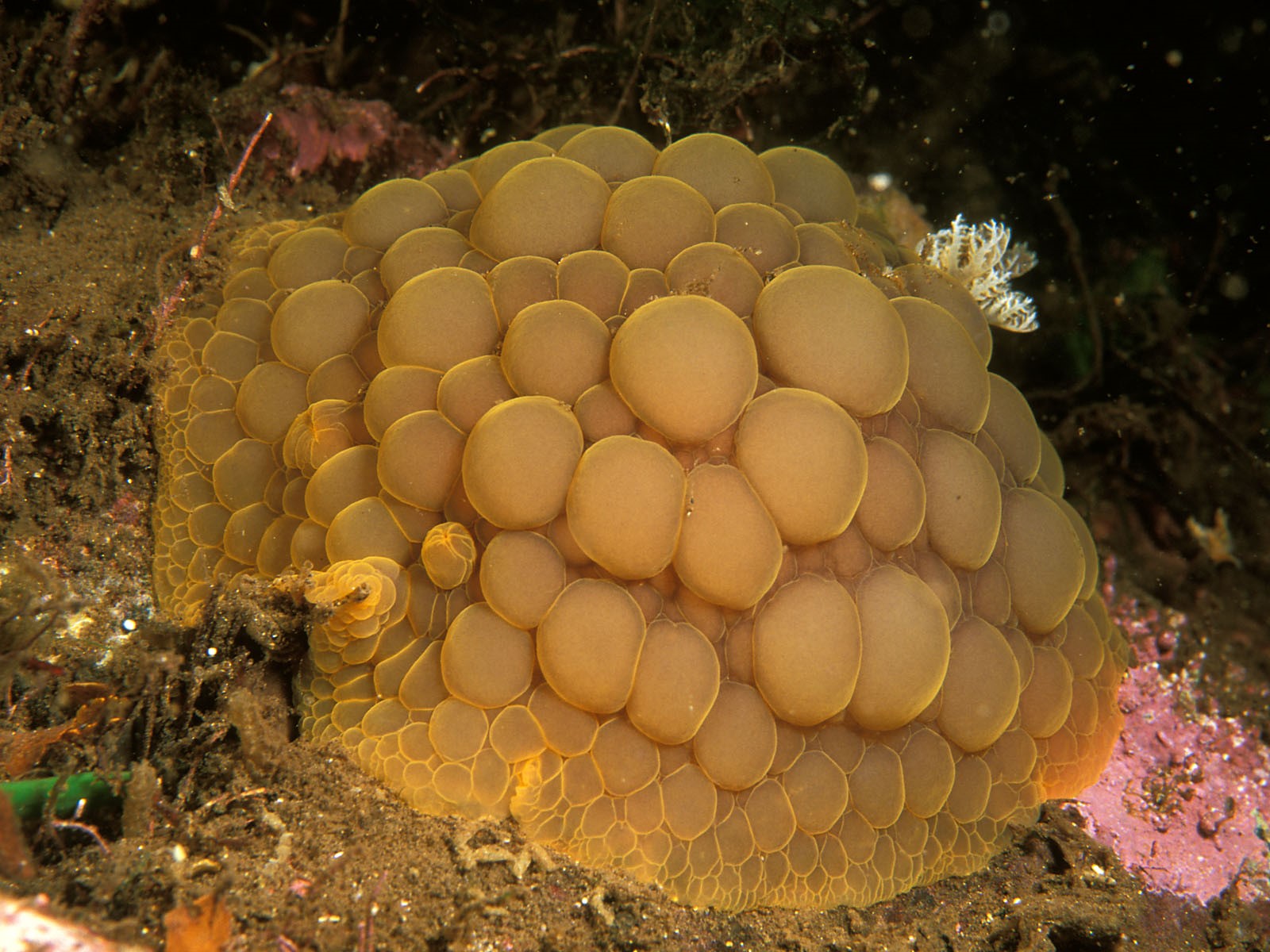
Description - The body is stiff and fleshy, and covered with large, rounded to flattened pustules. Colour dark khaki brown to yellowish above, foot and rhinophores bright orange. These sea slugs live simple, independent lives but may be found near other individuals due to availability of food. The word nudibranch translates as naked gills, referring to the fluffy looking growths near the rear of the animal, which function as breathing apparatus. They are mostly ‘benthic’ animals, which means they are usually found crawling on the seabed substrate. All known nudibranchs are apparently carnivorous, feeding on sponges, hydroids, bryozoans, other sea slugs, including other nudibranchs or even their own species. Barnacles and anemones are also known prey.
