
Flying After Diving: What Every Diver Needs to Know
Andrew Simpson Oct 20, 2026
The dive is done, the gear is rinsed, and you're already thinking about the flight home. But how long should you actually wait before boarding that plane? It's one of the most commonly misunderstood rules in diving, and getting it wrong carries real risk.
Our partners at Divers Alert Network (DAN) and SSI both cover this topic clearly, and it's worth understanding the why behind the rules, not just the numbers.
Why Flying After Diving Is Risky
When you dive, your body absorbs nitrogen under pressure. You ascend slowly and complete safety stops to allow that nitrogen to off-gas gradually before surfacing. But here's what many divers don't fully appreciate: that off-gassing process continues for hours after you've climbed back on the boat.
When flying after diving, the ascent to altitude increases the risk of decompression sickness (DCS) because of the additional reduction in atmospheric pressure. Cruising cabin pressure in commercial aircraft is generally maintained at an equivalent altitude of 6,000 to 8,000 feet, which equates to approximately 0.75 atmospheres absolute.
In other words, even sitting in an aircraft cabin puts your body under less pressure than at sea level, and that can cause residual nitrogen to expand too quickly, exactly the same mechanism as ascending too fast underwater.
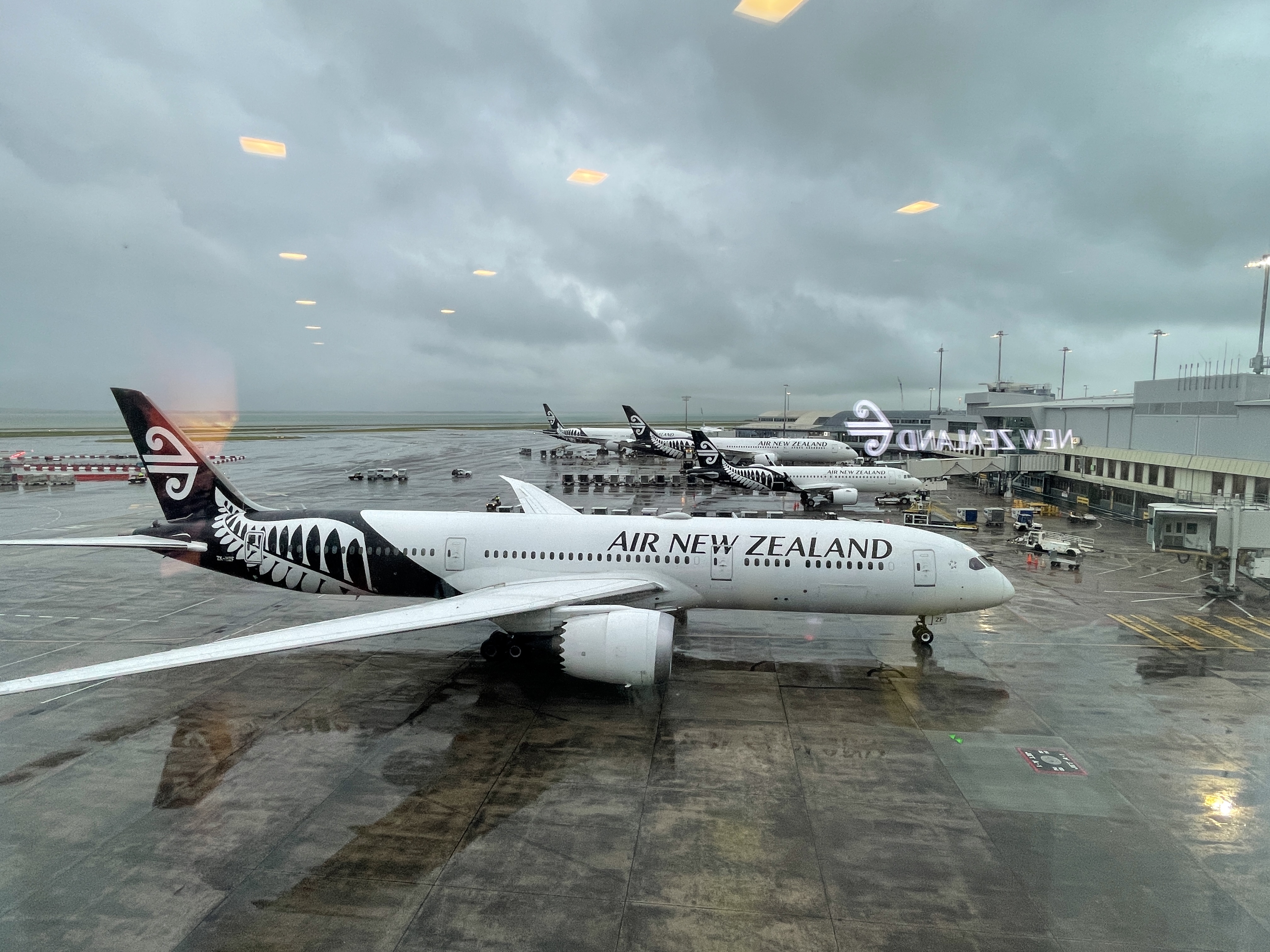
The Guidelines: How Long Should You Wait?
The following recommendations were reached by attendees at the 2002 Flying After Recreational Diving Workshop, based on earlier published work and experimental trials. They apply to air dives followed by flights at cabin altitudes of 2,000 to 8,000 feet for divers who do not have symptoms of DCS.
For recreational no-decompression diving:
- Single dive: minimum preflight surface interval of 12 hours
- Multiple dives per day, or multiple days of diving: minimum preflight surface interval of 18 hours
- Dives requiring decompression stops: a surface interval substantially longer than 18 hours is considered prudent, though there is limited experimental data to give a precise number
These are minimum recommendations. Longer surface intervals will always further reduce your risk.
It's Not Just Aeroplanes
It is also advised to avoid going up mountains higher than 1,000ft (300m) for 24 hours after diving. The altitude is higher than at sea level, which creates an increased difference in pressure between your surroundings and the nitrogen in your body from the dive.
This is worth keeping in mind if you're planning a dive trip that also includes hiking, sightseeing at altitude, or any kind of mountain excursion. Plan your diving before your highland activities, not after.
Know the Symptoms of DCS
Even with the best planning, it pays to know what decompression sickness looks like. Signs and symptoms to watch for include joint and muscle pain or aches, tingling or numbness, skin rash, fatigue, headache, confusion, impaired vision, nausea, and in serious cases, paralysis or unconsciousness. If you experience any of these symptoms, seek medical assistance quickly and breathe pure oxygen on the surface if available.
If you're ever in doubt, the DAN emergency hotline is available 24/7 on 0800 4-DES-111 (0800 4337111).
Planning Your Dive Trip Around Your Flights
The practical takeaway for most New Zealand divers heading overseas is simple: don't schedule a dive on the day before you fly home. Build at least an 18-hour buffer between your last dive and your departure time, and more if you've been doing multiple days of repetitive diving or any deeper technical profiles.
If you're heading somewhere like Fiji or the Maldives, talk to the team at Global Dive before you go. We can help you plan a dive schedule that keeps you safe on the way home.
A Note on Dive Insurance
All of our overseas dive trips require diver emergency insurance. We recommend DAN, their Worldwide packages start at US$100 per year and provide genuine peace of mind wherever you're diving.
New Zealand divers have the benefit of ACC coverage for domestic incidents, but a DAN World membership also helps support the NZ Diver Emergency Services phone line so it's worth having regardless.
Join DAN World through our affiliate link and support Global Dive at the same time.
This post draws on resources from Divers Alert Network (DAN) and SSI, the world's leading dive safety organisations. DAN operates a 24/7 emergency hotline on 0800 4-DES-111 (0800 4337111) and a medical information line at +1 (919) 684-2948.
