Drysuit Diving
Andrew Simpson Jan 29, 2025
- whats stopping you?
If you listen to anyone of us at Global we will all rave about drysuits our only disagreement is about which is the best, we all have our favourites! But I would like to start off by saying that I was against them to begin with….. right up until I used one that fitted me properly for the first time.
Initially I thought I would only ever dive in warm water, then I moved to New Zealand, Wellington specifically. So I bought a thicker suit, most importantly, with a hood. Winter rolled around and I started to put socks under my boots layer up the thermoclines until I eventually stuffed my 4:3 surf suit under my 7mm suit and limited myself to 20min dives. I watched my air consumption sky rocket. I took to emptying a thermos of warm water into my suit at the start on the second dive.
I did all this because I loved diving (and I was doing my divemaster training!)
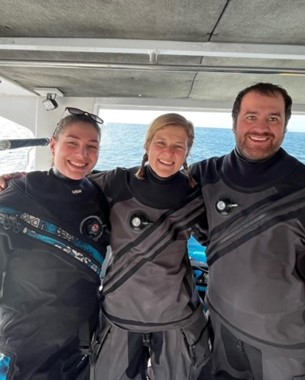
Even at times like those, I thought they were too expensive to commit to without trying some, stupidly thought I wouldn’t use one enough. Everyone I know who owned one, complained of leaks and eventual expensive repairs...
When I was encouraged to borrow someone else’s to try it out, they didn’t fit right, they leaked or on one occasion, out-right flooded. That’s the problem with drysuits it’s hard to find somewhere where you can try them out.
(Fortunately we know just the place here in Auckland!!!)
So summer rolled around and I was happy in my wetsuit again but talk of diving Milford Sound, which had always been on my bucket list meant my partner and I were going to have to learn to dive a drysuit.
Fortunately there isn’t a lot of theory and in even practically it’s mostly learning to manage the extra air space.
Our open water dives for the course were on a liveaboard trip to the rainbow warrior. The water was around 15 degrees and we had done a 40min dive reaching a depth of 28m, we surfaced and I stepped out of my drysuit completely dry and stepped straight into the nice warm cabin! This made total sense – I instantly got it. There was no doubt about whether I was going to do the other 3 dives that day!
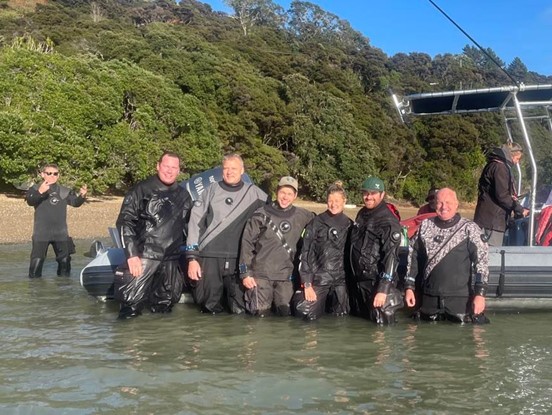
Now the science, most divers will know, water conducts heat away from the body at least 20 times faster than in air. If your cold, you have to work harder to keep you body warm meaning you consume more gas so not only is diving cold uncomfortable, it’s going to affect your bottom time.
We all know that being cold puts you at risk of hyperthermia but a more subtle, and potentially more important risk is the way in which a diver's thermal status can influence decompression risk. Temperature can substantially alter inert gas exchange, and that changing the inert gas uptake and elimination ultimately affects the decompression requirement for any given exposure. A dive that is safe under one set of conditions may lead to decompression illness in another.
Being able to test a drysuit and rent some and find one that was going to be a good fit, not only physically but for the type of diving I was planning on doing really helped. There is no getting away that to buy a brand new made to measure suit is expensive. But if you look after it good drysuit will last you decades and i found actually encouraged me to dive even more!
I now enjoy planning longer dives in the winter months, making the most of the good viz and empty dive sites. Not wishing the dive was over after the first 10minutes.
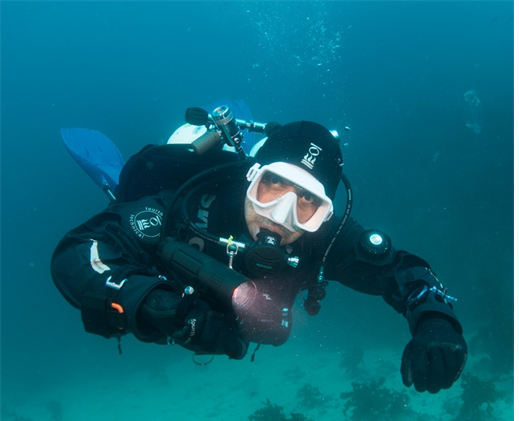
If your going to dive in cold waters a drysuit is the safest and most comfortable way to do it. (And in some locations mandatory!) There are lots of options when it comes to drysuits so it’s important to get some advice and more dive centres are doing drysuit try dives which is an excellent way to test the waters. (literally!)
P.S I briefly mentioned my partner, and I want to say he was even more against drysuit diving than I was, he wouldn’t even dive a 7mm suit as it was too thick and hated hoods! Fair to say his new drysuit arrived last month. Another diver completely converted!