
Coral Scrapes and cuts
Andrew Simpson Sep 15, 2026
Coral scrapes and cuts are the most common injuries divers and snorkellers pick up in the water. They might seem minor at the time, but they can be surprisingly stubborn to heal and carry a real risk of infection if not treated properly. The following post is adapted from an article by our partners at Divers Alert Network (DAN), who receive around one inquiry a week from divers who have come into contact with coral. Their advice is clear: these wounds deserve more attention than a standard graze.
Why Coral Wounds Are Different
Soft living tissues cover the surface of corals. In the case of stony corals, the rigid abrasive structure underneath makes the coral's soft tissue easy to tear and embed into a scrape or cut. This foreign material prolongs the wound-healing process because the different antigens and substances trigger an acute inflammatory response and can cause infection.
Cuts and scrapes from sharp-edged coral and barnacles tend to fester and may take weeks or even months to heal. Granulomas can form if debris from the original wound remains in the tissue. The body attempts to remove it, resulting in an itchy rash or papule, a small, raised, tender bump, that can persist for some time before the body finally eliminates it.
Whether it's coral, rock, or a wreck, they all share one thing in common: they are covered by living marine organisms. That's what makes these wounds different from the scrapes you might get on land.
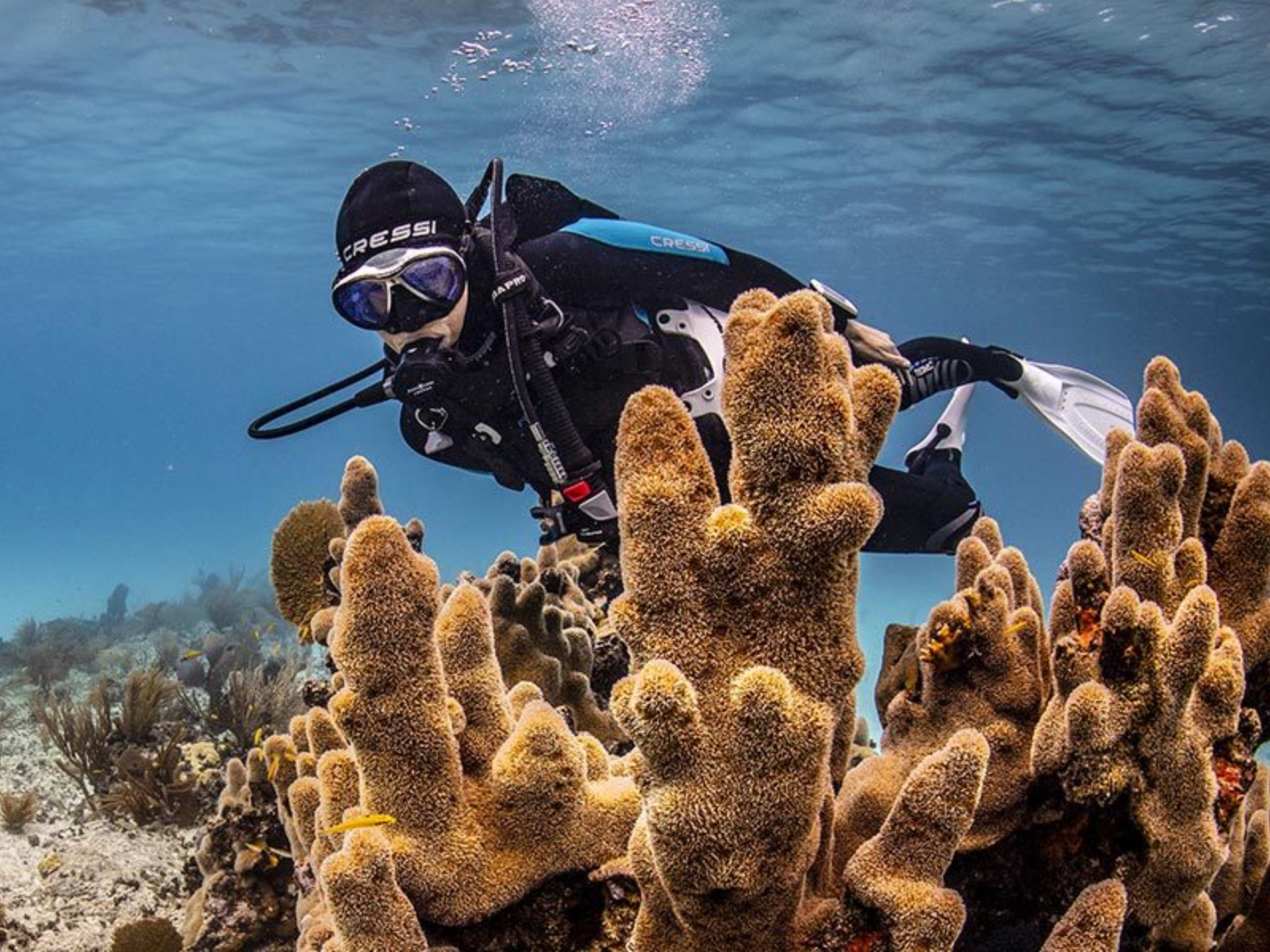
Fire Coral: A Special Case
Not all coral contact is the same. Fire coral is a cnidarian and contains nematocysts, meaning even a light brush can cause mechanical activation and envenomation. The result is usually blistering, which typically appears a few hours after contact. These injuries often seem to be healing, then relapse within a week or two. This delayed reaction is characteristic of this type of envenomation and can catch divers off guard if they're not expecting it.
First Aid for Coral Scrapes and Cuts
Prompt and thorough wound care makes a significant difference to how well these injuries heal. DAN recommends the following steps:
- Scrub the cut vigorously with soap and water, then flush the wound with large amounts of clean water.
- Flush the wound with a half-strength solution of hydrogen peroxide in water, then rinse again with water.
- Apply a thin layer of antiseptic ointment and cover the wound with a dry, sterile, non-adherent dressing. If you have no ointment or dressing, the wound can be left open.
- Clean and re-dress the wound twice a day.
- If the wound develops a crust, use wet-to-dry dressing changes. Place a dry sterile gauze pad over the wound and soak it with saline or a diluted antiseptic solution such as 1% to 5% povidone-iodine in disinfected water. Allow it to dry, then remove the dressing. Dead and dying tissue should adhere to the gauze and lift away. The tissue underneath should be pink and may bleed slightly but should be healing. Continue once or twice daily until the dressings become non-adherent, then resume regular dressing changes.
Signs of Infection to Watch For
Keep a close eye on any coral wound in the days following the injury. Seek medical advice if you notice any of the following:
- Extreme redness or red streaks spreading from the wound
- Increasing pain, pus, or swollen lymph glands
- Fever
Also watch for coral poisoning, which can occur if abrasions or cuts are extensive or from a particularly toxic species. Symptoms include a wound that heals poorly or continues to drain pus, swelling around the cut, swollen lymph glands, fever, chills and fatigue. If you experience these symptoms, see a physician.
Fire Coral Complications
If fire coral is involved, a diluted acetic acid solution such as household white vinegar is a reasonable topical decontaminant and should be used as a soak to help reduce pain. Immersion in hot water can also reduce symptoms, though hot packs or cold packs are alternatives if hot water isn't available. Oral antihistamines can sometimes help with itching or burning. Steroid creams are rarely helpful and can actually prolong a skin infection, so use them only under medical guidance.
When a Wound Won't Heal
It is not uncommon for divers to contact DAN months after a minor scrape on their hands, knees, or elbows that simply hasn't healed despite proper care. These chronic wounds often have a red and bumpy appearance, occasionally develop a crust, and are usually painless.
When a wound fits this description, it may have become infected with an opportunistic pathogen known as Mycobacterium marinum, responsible for a condition commonly known as fish tank granuloma or aquarium granuloma. There are no marine-specific pathogens that affect humans as such, but some infections are more common in aquatic environments, and this is one of them.
M. marinum has several characteristics that make it tricky to diagnose and treat. It prefers cooler body temperatures, which is why these wounds tend to appear on hands, knuckles, elbows and knees. Only specific antibiotics are effective, standard treatments are usually unsuccessful, and the pathogen's slow life cycle means treatment can take a long time. Standard lab cultures often come back negative, which can delay diagnosis significantly.
If you suspect this might be the cause of a non-healing wound, tell your doctor exactly how and when it happened. Mention the marine environment and ask specifically whether M. marinum could be the cause. Your doctor does not need dive-specific medical knowledge to investigate and treat this.
Prevention
The best approach is to avoid contact with coral and marine life altogether. Good buoyancy control is your first line of defence. Wearing a wetsuit or dive skin provides a physical barrier if you are accidentally pushed into coral by a current or another diver.
If you're travelling to a remote dive destination or somewhere with limited medical facilities, it's worth carrying a marine animal first aid kit. Having the right supplies on hand allows you to treat wounds promptly, which significantly improves outcomes.
As a general rule, treat all wounds thoroughly and let them heal before diving again. The skin is your most effective means of immunological defence, and a compromised wound in a marine environment is a genuine health risk.
A Note on Dive Insurance
Marine injuries are exactly the kind of situation where having dive accident insurance matters. If you need medical attention while overseas, whether for a coral wound that has become seriously infected or anything else diving-related, having cover in place means you can focus on getting treatment rather than worrying about cost.
We recommend DAN World for all overseas dive travel. Their Worldwide packages start at US$100 per year.
Join DAN World through our affiliate link and support Global Dive at the same time.
This post is adapted from an article by Divers Alert Network (DAN), the world's leading dive safety organisation. DAN operates a 24/7 emergency hotline on 0800 4-DES-111 (0800 4337111) and a medical information line at +1 (919) 684-2948.
