

1) It Makes You a Better Diver
FACT: People who learn in colder water and tougher conditions often become stronger divers. They’re better prepared and more confident handling unexpected challenges. If you’ve only ever dived in warm, clear tropical waters with 30 metres of visibility, it can be a shock when the vis drops to 3 or 4 metres.
Learning to dive in a thicker wetsuit with more weight teaches buoyancy control and composure. Once you’ve mastered that, slipping into a shorty in the tropics feels effortless — but starting the other way around? Not so much!
2) Unique Marine Topography
Cold water diving offers some of the most dramatic and diverse underwater environments in the world. Think kelp forests, rivers, quarries, ice dives, and beautifully intact wrecks. These habitats support an incredible variety of marine life — from seahorses and nudibranchs to migrating visitors like whale sharks, manta rays, orca, mola mola, and even sea turtles.
And you don’t have to travel far — New Zealand’s coastlines are home to an amazing range of dive sites and ecosystems waiting to be explored.
3) Dive All Year Round — Without the Crowds
If you’re willing to brave cooler temperatures, you’ll be rewarded with peaceful, uncrowded dive sites. No noisy groups stirring up the sand or scaring away marine life — just you, the ocean, and the chance to capture that perfect photo of an octopus cruising the rocks.
4) Better Visibility and Richer Marine Life
While it might not always apply to places like Wellington’s south coast, cold water generally means fewer algae blooms — which means better visibility. Cold, nutrient-rich waters support more marine life and vibrant ecosystems. Ask anyone who’s dived the Poor Knights in July or August — it’s some of the clearest, most spectacular diving you’ll find anywhere.
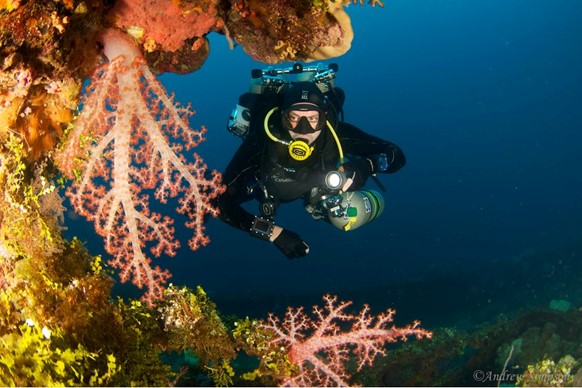
5) Better Dive Fitness and Air Consumption
Diving locally builds fitness and stamina. Cold-water divers use thicker suits and carry more weight — plus, shore dives often involve longer surface swims. Regular local diving keeps you active, improves your air consumption, and helps you stay dive-ready all year long.

Bonus: It Makes You Cool (Literally!)
Okay, maybe not an “official” reason — but still true! When your mates complain about being cold in a 3mm steamer in Thailand, you can quietly grin knowing they’ve got no idea what they’re missing. After all, we dive to explore the other 71% of the planet — and if you only dive in warm water, you’re missing two-thirds of it!
Join one of our Global Dive Club trips or talk to our team about local dive adventures and training.
